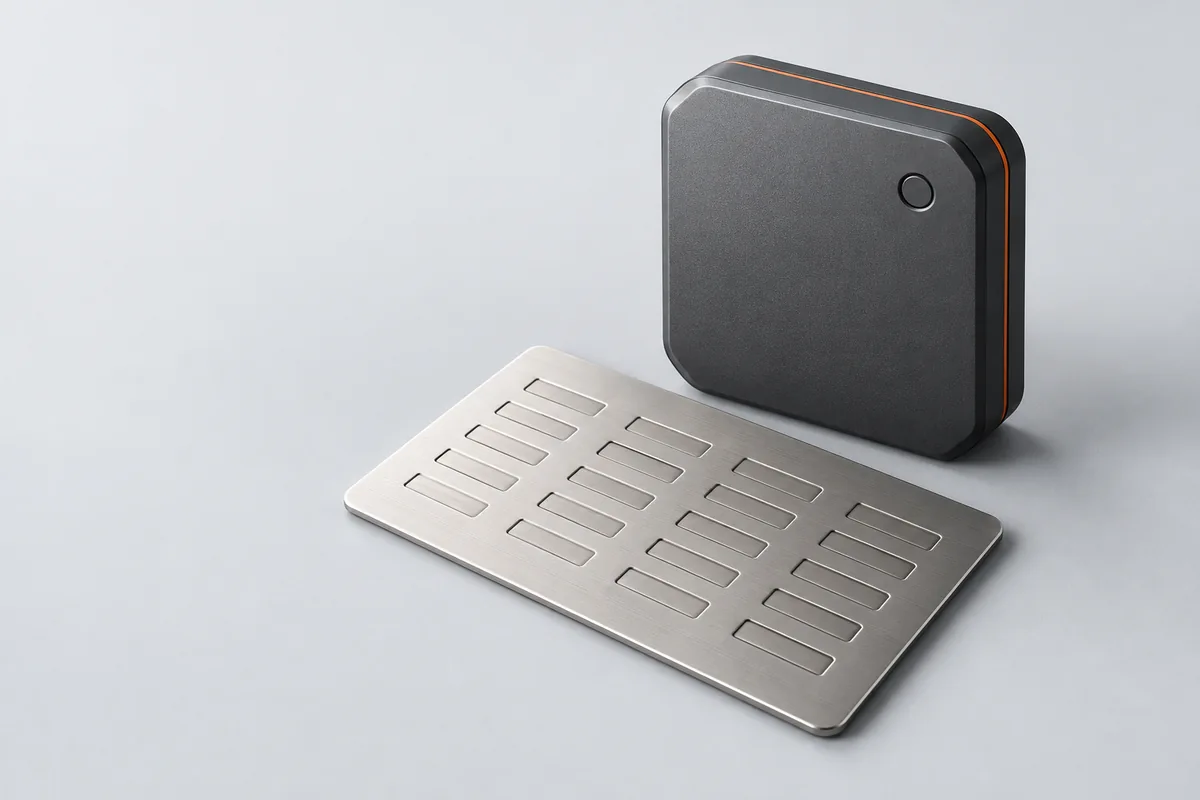
Start with one question: who can authorise a transfer? In a custodial account, the provider manages that access. With self-custody, you manage the private keys and the backup needed to recover them. Convenience and responsibility sit in different places.
A software wallet is useful for regular activity. A hardware wallet can isolate key handling from an everyday computer, but it cannot make a malicious transaction safe. Verify the destination, the network and what you are signing. Buy devices through the manufacturer or an authorised seller.
Plan recovery before moving a meaningful amount. Keep your recovery phrase private and offline, following the wallet’s official instructions. Never type it into a website that claims to offer support. Begin with a small test transfer and document your process.
Match custody to the task
List the actions you actually need: occasional purchases, payments or application access. Compare each setup against those actions rather than choosing the most complicated device.
Ask what happens if the service becomes unavailable or the device is lost. Recovery requirements matter before you fund the wallet.
Write down the recovery process
Use the manufacturer's official instructions to understand backup and recovery. Choose a private, durable storage arrangement suited to your circumstances.
A backup photograph on a connected device creates a different exposure from an offline copy. Know where each copy exists and who can access it.
Test the full journey
Start with a small amount and verify receipt. Check that you can use the receiving wallet and understand its network fees.
Keep useful records without storing secret keys beside transaction logs. Review your process after a device change or a change in custody.
A practical checklist
- Know who controls the keys.
- Prepare a private recovery plan.
- Test a small transfer before moving more.
Common questions
Does a hardware wallet remove every risk?
No. You still need to verify the transaction, recipient and backup process.
Should support ask for my recovery phrase?
Do not give it to support or enter it into a support website. Follow the wallet's official recovery instructions.
Prepared from the primary sources linked below. This is documentary research, not a hands-on product test, personalised advice or an independent security audit.
Sources and further reading
An introductory guide. Consider your circumstances and consult the linked primary sources.