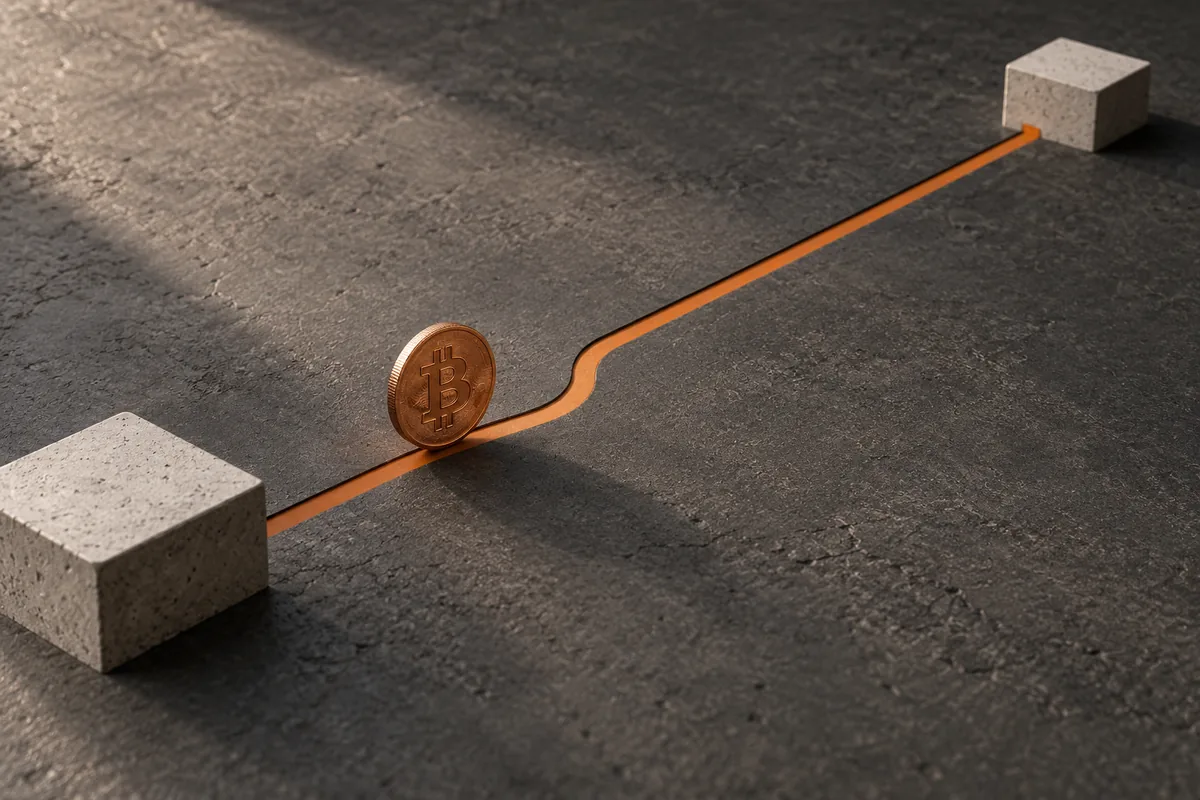
Bitcoin transactions move value between addresses and become part of a public ledger. A wallet helps you create and sign them. The displayed balance does not mean that a bank or a help desk can reverse a mistaken payment.
Check that the receiving service supports the exact network you intend to use. Compare the address on a trusted display, review the network fee and confirm the amount. A recognisable ticker alone does not prove that two networks are compatible.
Use a small test when sending to a new destination. Wait for the recipient’s required confirmations before treating a transfer as complete. Store the transaction identifier with your records so you can follow its progress independently.
Prepare the receiving side
Open the recipient's deposit instructions through its official address. Check network support and any minimum deposit before copying an address.
Confirm the address using a trusted display. A previously saved address still deserves review when account or deposit instructions change.
The receiving address is only one part of the setup. Review where and how the wallet keeps your keys before sending funds to it.
Review what leaves the wallet
Distinguish the amount received from the amount debited, including the fee. Read the wallet's estimate before signing.
A service may apply its own withdrawal charge. Compare that charge with the network fee rather than treating the two labels as equivalent.
Track and record the transfer
Save the transaction identifier and check progress independently. The receiving provider's deposit policy determines when its account balance is credited.
If a transfer is not credited, gather the network, address, amount and identifier before contacting official support. Never share private keys.
A practical checklist
- Confirm network and receiving instructions.
- Review the full debit and fee.
- Save the transaction identifier.
Common questions
Which network and address should I use to send Bitcoin?
Use the asset, network and address specified by the receiving wallet or service. An on-chain Bitcoin address and another transfer method are not interchangeable. Check any minimum deposit and verify the full destination address before signing; the BTC ticker alone does not establish compatibility.
When is a Bitcoin transfer confirmed and credited?
A Bitcoin transfer starts receiving confirmations when it is included in a block. A broadcast transaction may still be unconfirmed. The receiving provider can require confirmations and further processing before crediting an account. Track the transaction identifier and read its deposit policy; there is no fixed arrival time for every transfer.
Is an exchange withdrawal charge the same as the Bitcoin network fee?
Not necessarily. A service sets its own withdrawal charge, which can differ from the network fee it pays. A self-custody wallet shows a network-fee estimate instead. Check whether the charge is added to the amount sent or deducted from it, and compare what the recipient receives.
Can I cancel Bitcoin sent to the wrong address?
There is no central service that can reverse a confirmed Bitcoin transfer. A refund generally requires the recipient's cooperation. If a payment has not arrived, check its network, address and transaction identifier through official channels. Never give a supposed support or recovery agent your private keys or recovery words.
Continue exploring crypto assets, fees and platforms.
Prepared from the primary sources linked below. This is documentary research, not a hands-on product test, personalised advice or an independent security audit.
Sources and further reading
- Bitcoin.org - how Bitcoin works
- Bitcoin.org: what to know before using Bitcoin
- Kraken: crypto withdrawals
- Bitcoin.org: frequently asked questions
- Coinbase: pricing and fees
- Bitcoin.org: avoiding scams
An introductory guide. Consider your circumstances and consult the linked primary sources.