Featured guide · Wallets
Where you keep your crypto matters as much as what you buy
A practical look at exchange custody, software wallets and hardware devices.
Wallets, backups and a repeatable routine for avoiding costly mistakes.
A wallet is part of a wider process: obtaining the software or device, securing access, checking transactions and planning recovery. Choose a setup you can maintain and explain to yourself.
Separate everyday spending from long-term storage where that fits your needs. Use official instructions, verify addresses on a trusted display and never enter a recovery phrase into a support website. A device cannot judge the intent of a transaction for you.
A practical look at exchange custody, software wallets and hardware devices.

Addresses, network fees and confirmations explained before you press send.

Why gas changes and what to review when using another network.

Build a repeatable routine for links, logins and wallet approvals.

A practical comparison anchored on Ledger Nano S Plus and Trezor Safe 3: compatibility, backup, supported networks and the responsibilities of self-custody.
Follow the costs from a cash deposit to a Bitcoin withdrawal. Separate published commissions, account-specific quotes and the market price you can execute.
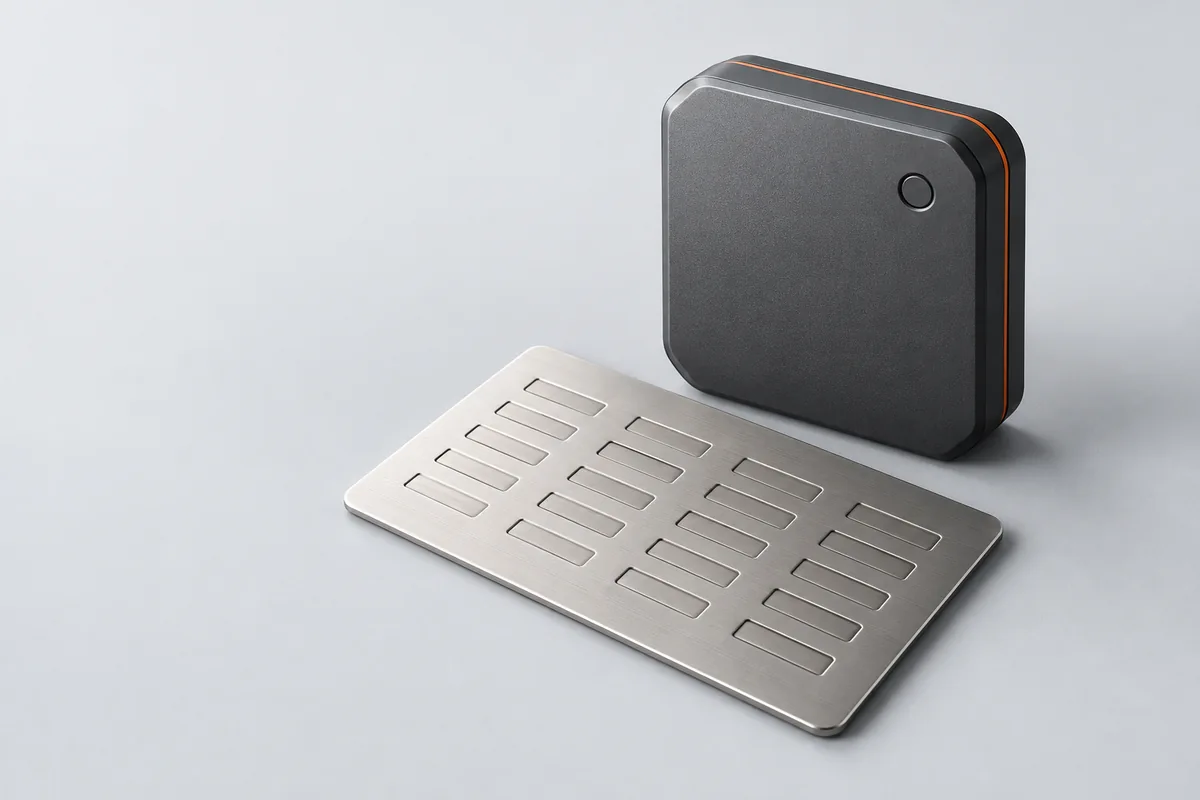
Choose a device your computer, assets and recovery plan can actually use. Check the trade-offs before comparing the purchase price.
Check the authority responsible for your country and the legal entity providing the service. Keep purchase, sale, swap and transfer records. Your tax residence and the product you use determine which guidance applies; the links below are general starting points.